Remote Areas Are a Different Story
In one village in Sulawesi, we did a small project. The village previously relied on a diesel generator that ran only a few hours per day. Fishermen couldn’t refrigerate their catch, and spoilage was high.
We set up a shared village battery — a 50 kWh cabinet that stores solar power during the day and supplies it at night. Each household also got a basic voltage stabilizer. It wasn’t a large project, but the village now has power 24/7. Fishermen bought freezers. Spoilage dropped.
This model isn’t exactly standard home storage. It’s closer to a mini-grid. But there’s a lot of this type of demand in archipelagic countries, and not many products designed for it.
Installation and Support Are the Real Challenges
The hardest part of doing home storage in Indonesia isn’t the product itself. It’s how to install it and how to fix it when something breaks.
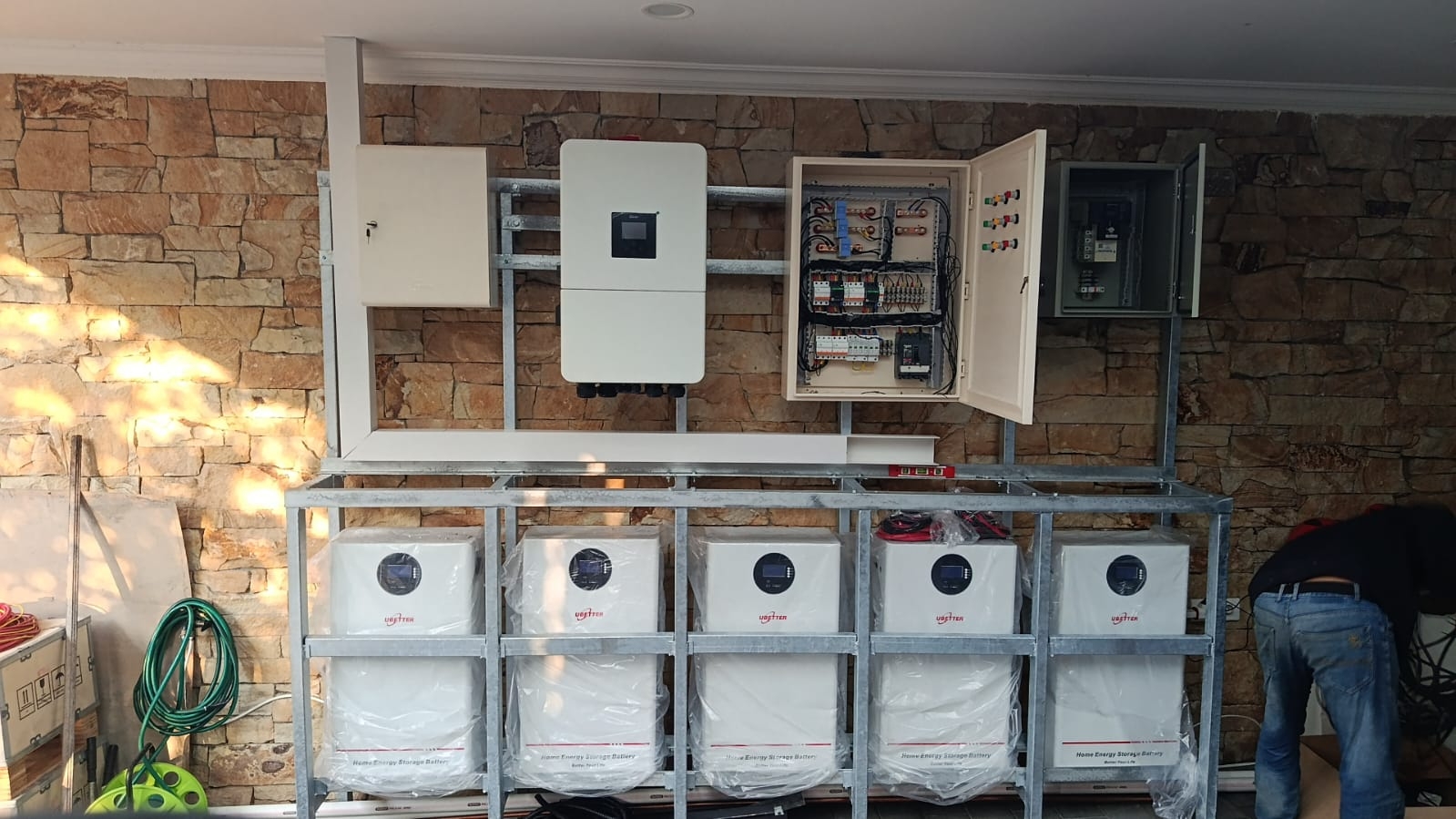
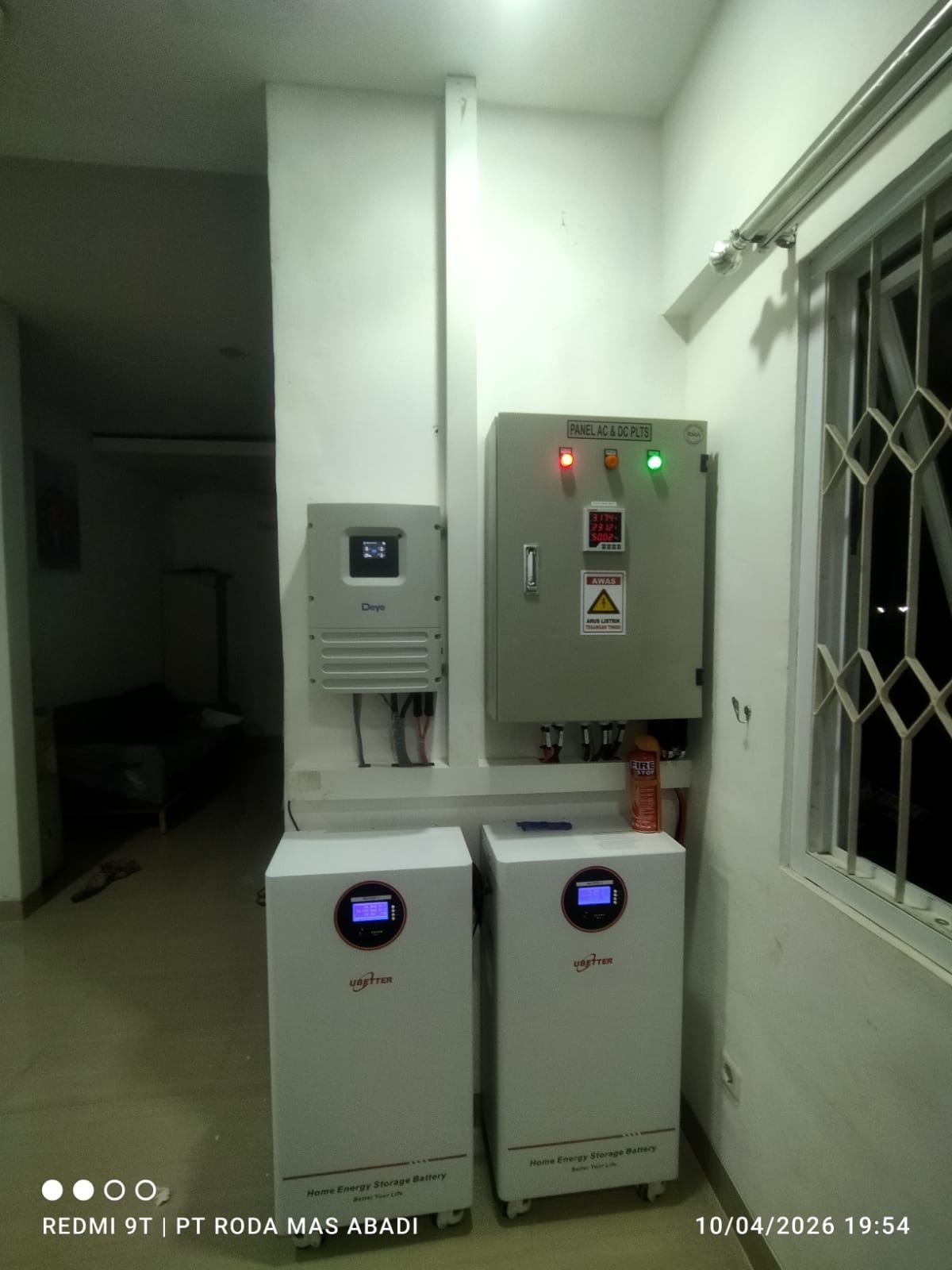
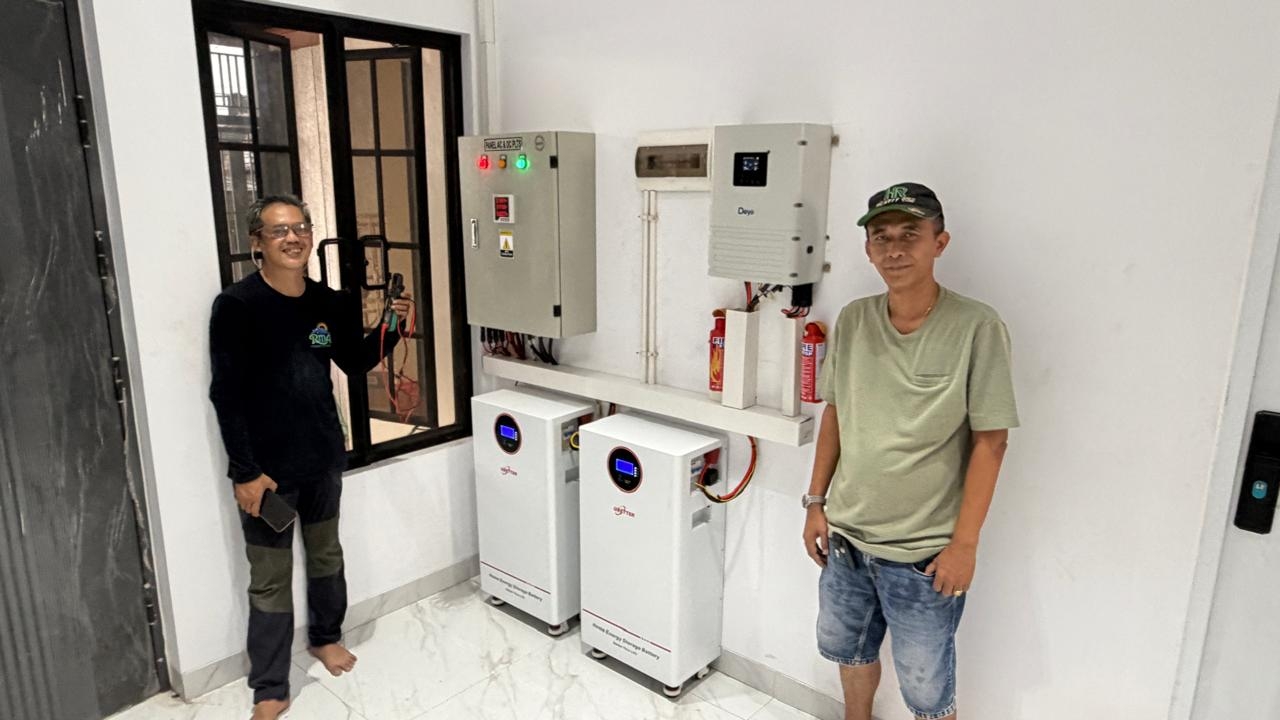
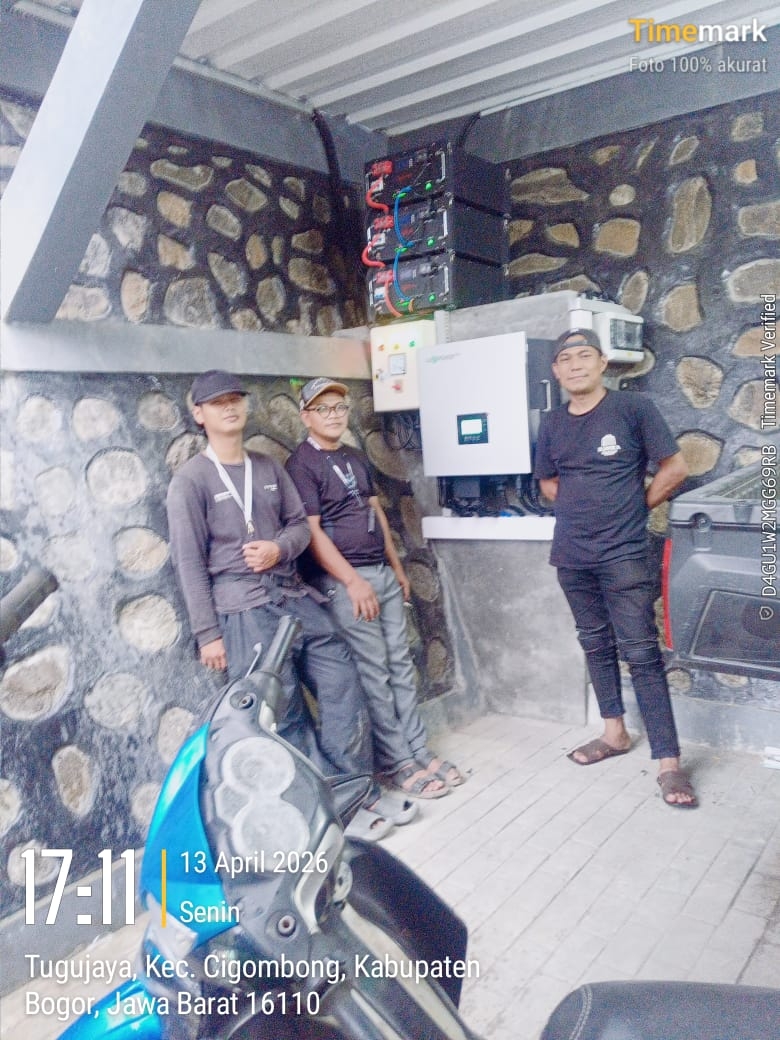
Customers can live three hours from the nearest town, or on a separate island requiring a ferry. You can’t send an engineer for every single installation. So the product has to be simple enough for a local electrician to install with just a diagram.
We pre-set three operating modes — voltage priority, self-consumption priority, and backup priority. Customers toggle between them with one button. We color-coded and shaped all terminals so they only connect one way. The remote monitoring backend is basic: the local agent sends a photo, and we diagnose from our end.
We also stock spare parts — fans, displays, control boards — on several major islands. It adds inventory cost, but customers don’t wait weeks for repairs. That brings repeat business.
A Few Preliminary Takeaways
After a year in this market, here’s what we think:
First, the home storage market in Indonesia is growing, but the driver is different from Europe or the US. It’s not about green ideals or time-of-use savings. It’s the basic need to run appliances reliably.
Second, products don’t need to be fancy. Too many features create more problems than they solve. Reliable voltage stabilization and backup switching are what matter.
Third, distribution and service matter more than the product itself. Whoever helps local electricians do their jobs and responds quickly to support requests will win the long game.
This market is still early. We’re learning as we go. These are just some rough observations so far.